Advocating for Better Innovation and Against Power Abuse in Research
Sliding Doors is an initiative advocating for better innovation and research practices. We specifically advocate against forms of power abuse in research, highlighting how these widespread instances damage the innovation ecosystem as well as the single individuals working in the sector. We thrive to discuss the panorama of cultural and scientific innovation, with a focus on human-centered development.
Luca Danieli has a Ph.D. in music composition from the University of Birmingham, UK, and held a postdoctoral position in music theory at the University of Music and Performing Arts Graz, Austria. In 2019-2021, he developed a startup concept covering cultural management and technology, which was recognized among the best projects for the Cultural & Creative Industries by multiple international initiatives, including: the Startup Europe Accelerathon, a program of the European Commission; the Italian Alliance for Sustainable Development (ASviS); and the Horizon-2020 CLIC Startup Competition. In 2018, he was awarded the Third Prize at the 12th Nabokov International Prize for Literature in the category "unpublished essays" for the work Il barAtto Democratico, an essay focused on cultural aesthetics and political philosophy. Since 2025, he started advocating for mental health in academia and against instances of power abuse and maladministration in public institutions.
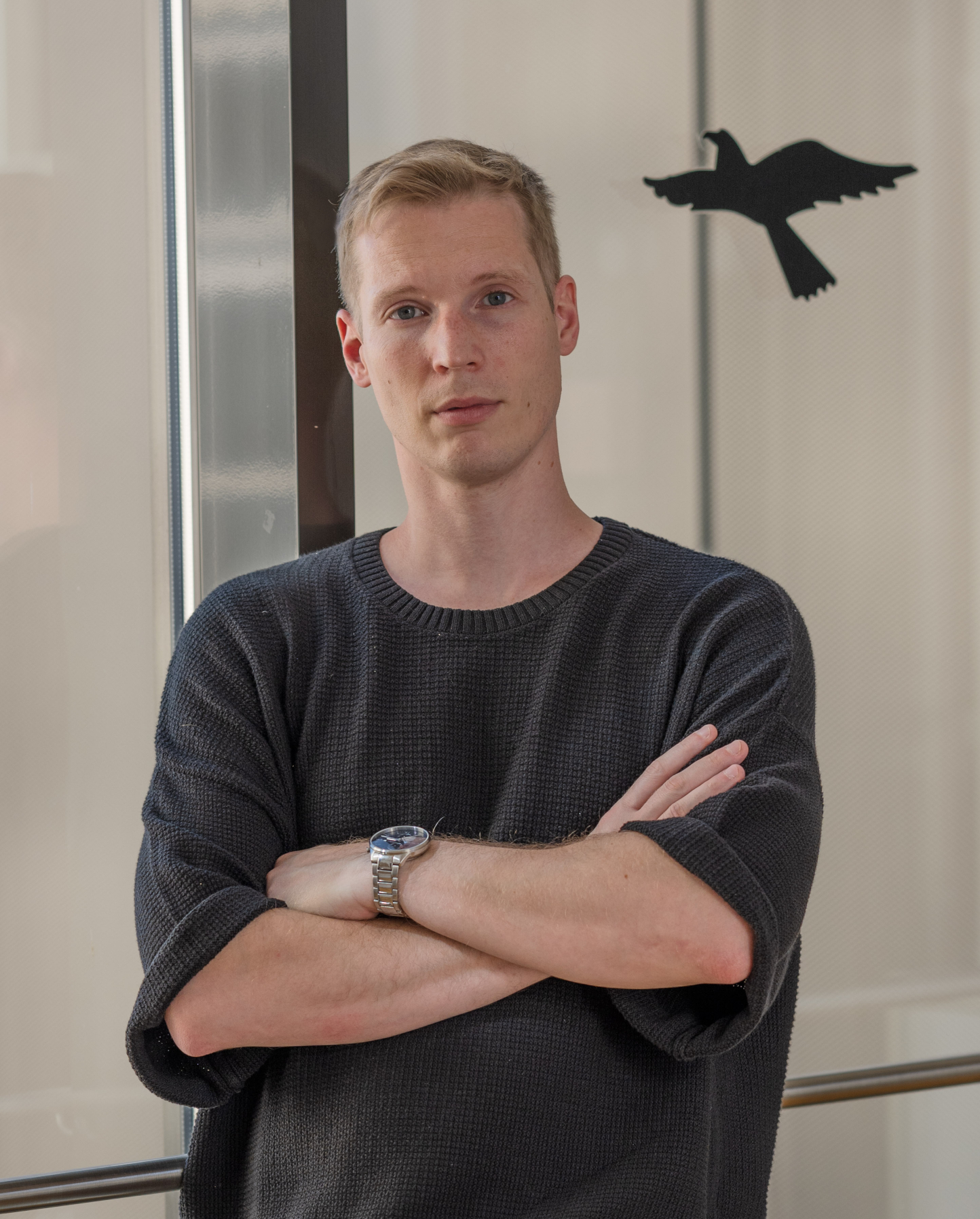
Photographer: Bailong Dai
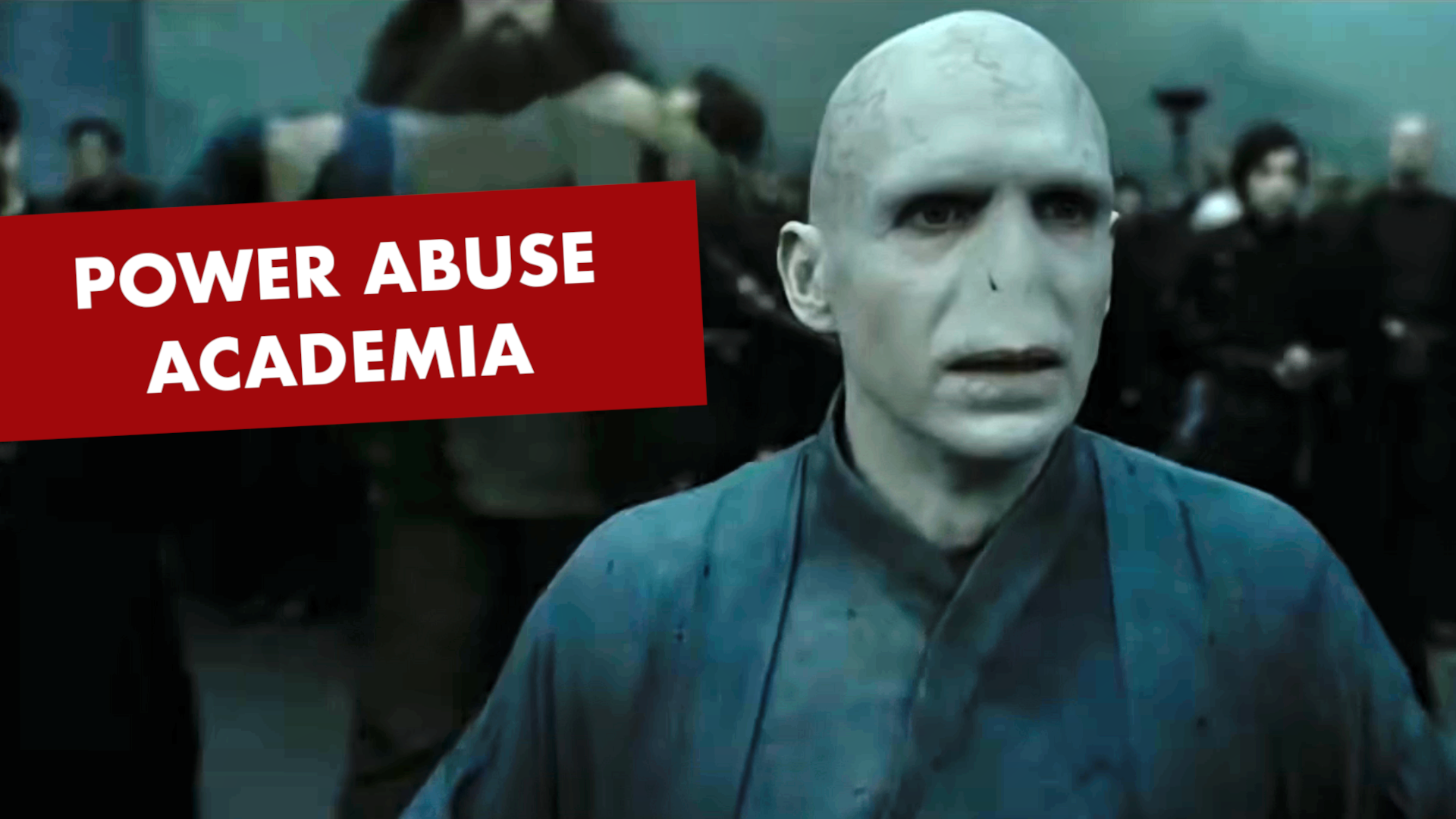
The dark side of research. Will we ever break the silence?
Power abuse is a taboo topic in research. Like Voldemort in the popular Harry Potter series, it's something that must not be named. Fortunately, more and more voices are emerging in academia to break this silence. In this episode, we'll explore how this taboo manifests, the strategies power abuse exploits to maintain control, and the critical importance of speaking up and supporting those who do.
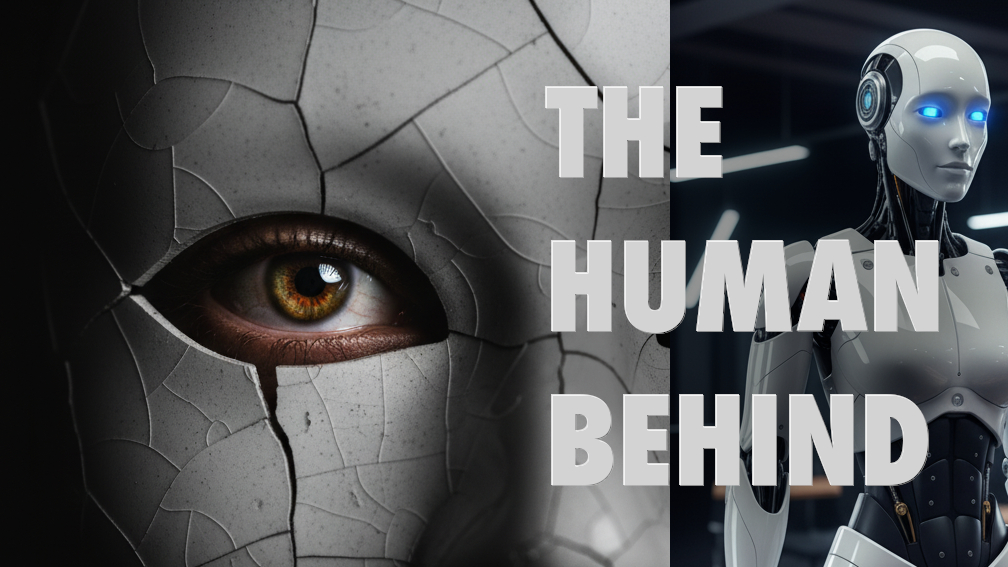
The Future of Innovation is Human: Why we are tired of competition and crave connection
Society promotes a shift from individualism toward cooperation, exemplified by SDG 17: Partnerships. Yet, data shows rising competition and workplace bullying. As technology fosters an increasingly synthetic world, the ultimate competitive advantage will be authenticity. In an era of artifice and slogans, reality becomes the most valuable asset.
Is innovation random? The reason why we may be just perpetually changing
"Progress," "innovation," and "research" are widely promoted within our society. But can we say that we are progressing? This episode critically examines whether the narrative of constant progress is failing us. We explore whether our efforts are leading to real societal improvement, or are a perpetual cycle that brings us back to familiar challenges through different technologies.
Is "bad luck" sabotaging your research? Academic dishonesty and the decline of innovation
Did you know that a progressive decline in innovation has been registered after the 1960s? And simultaneously, an increase in academic dishonesty has been observed? In this video, I explore the potential systemic effects of "misfortune" on science - that is, when misfortune is blamed to cover up for unprofessional behaviors.